Archaeological
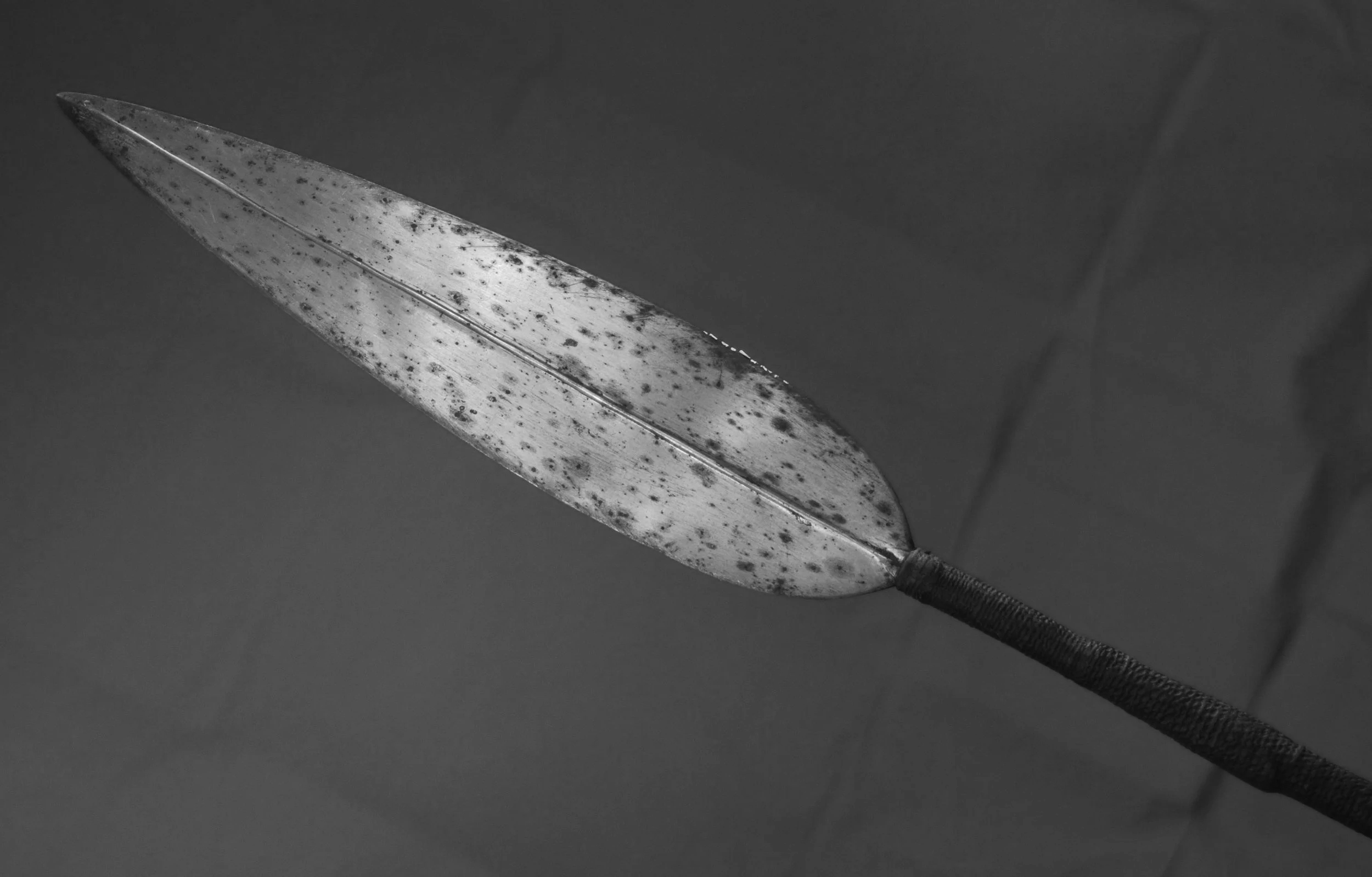
CPR has extensive experience working with archaeological artifacts recovered from both terrestrial and marine environments. These objects often present complex conservation challenges due to prolonged burial, corrosion, and material instability. Our services include stabilization, desalination, consolidation, and cleaning, all tailored to the specific needs of the artifact and its contextual history. We collaborate closely with archaeologists, museums, and institutions to support both research and exhibition goals.
-
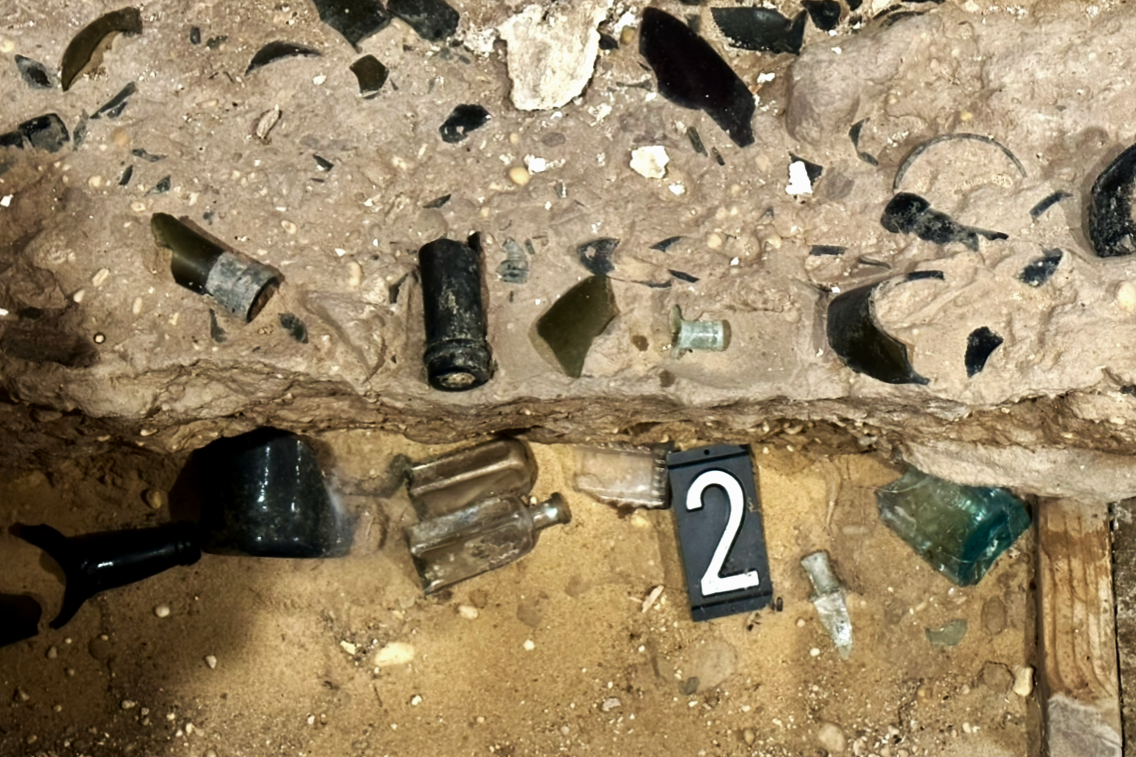
Archaeological Features – Rock Hall Museum
Rock Hall Museum - Long Island, NY
As part of the Rock Hall Museum archaeological excavation, CPR performed the consolidation of two archaeological features. The treatment focused on stabilizing fragile materials by binding and replacing natural binding agents lost to weathering. This work ensured the preservation of the site’s exposed features and maintained their structural integrity for continued study and interpretation.
-
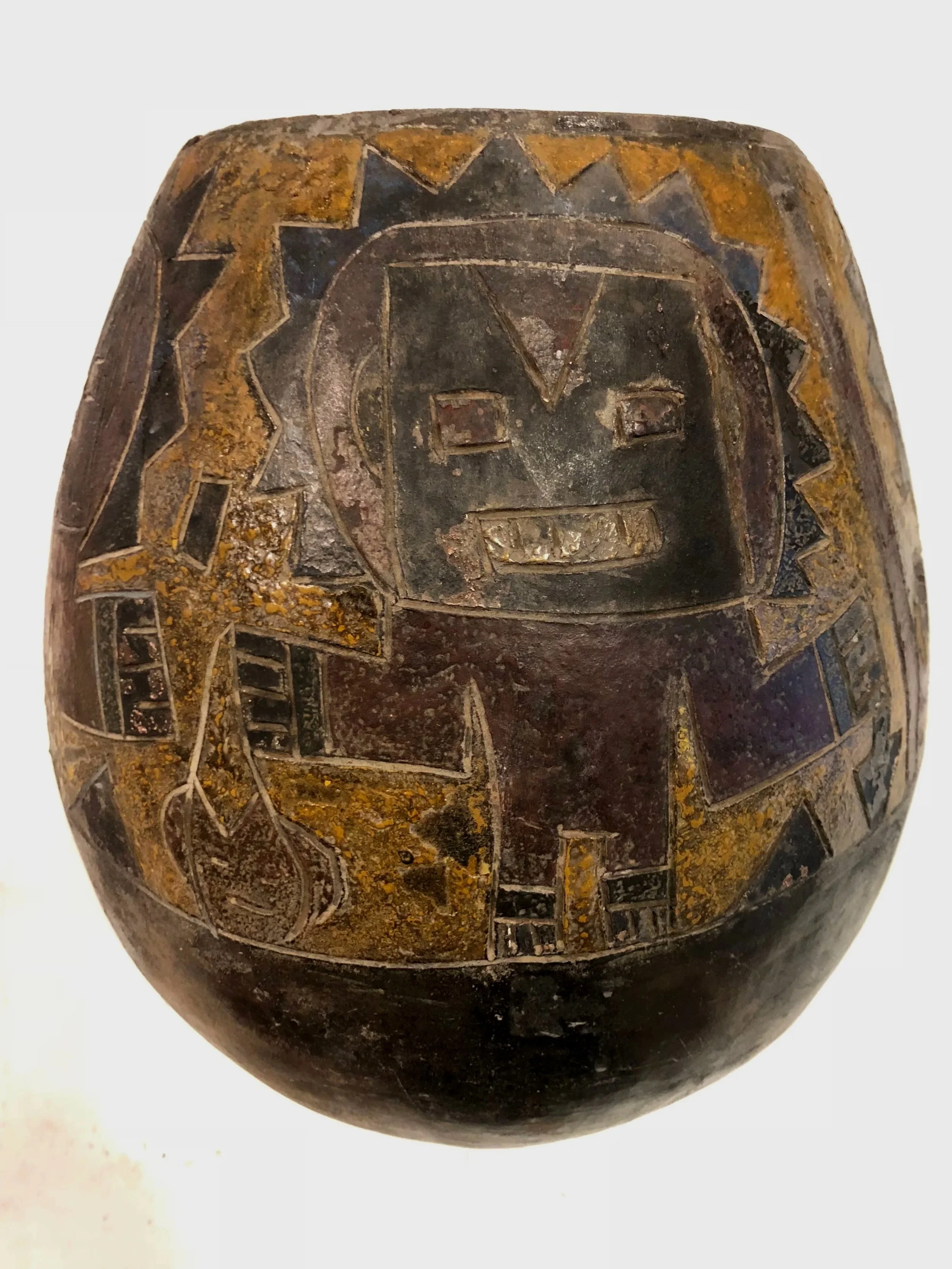
Nazca Vessel
Nazca Vessel - Private collection
This Nazca vessel underwent reconstruction and conservation treatment. Missing elements were carefully fabricated to restore the vessel’s original form, and areas of loss were inpainted to visually integrate the repairs with the surrounding surfaces. The treatment preserved the artifact’s cultural character while enhancing its structural stability and overall presentation.
-
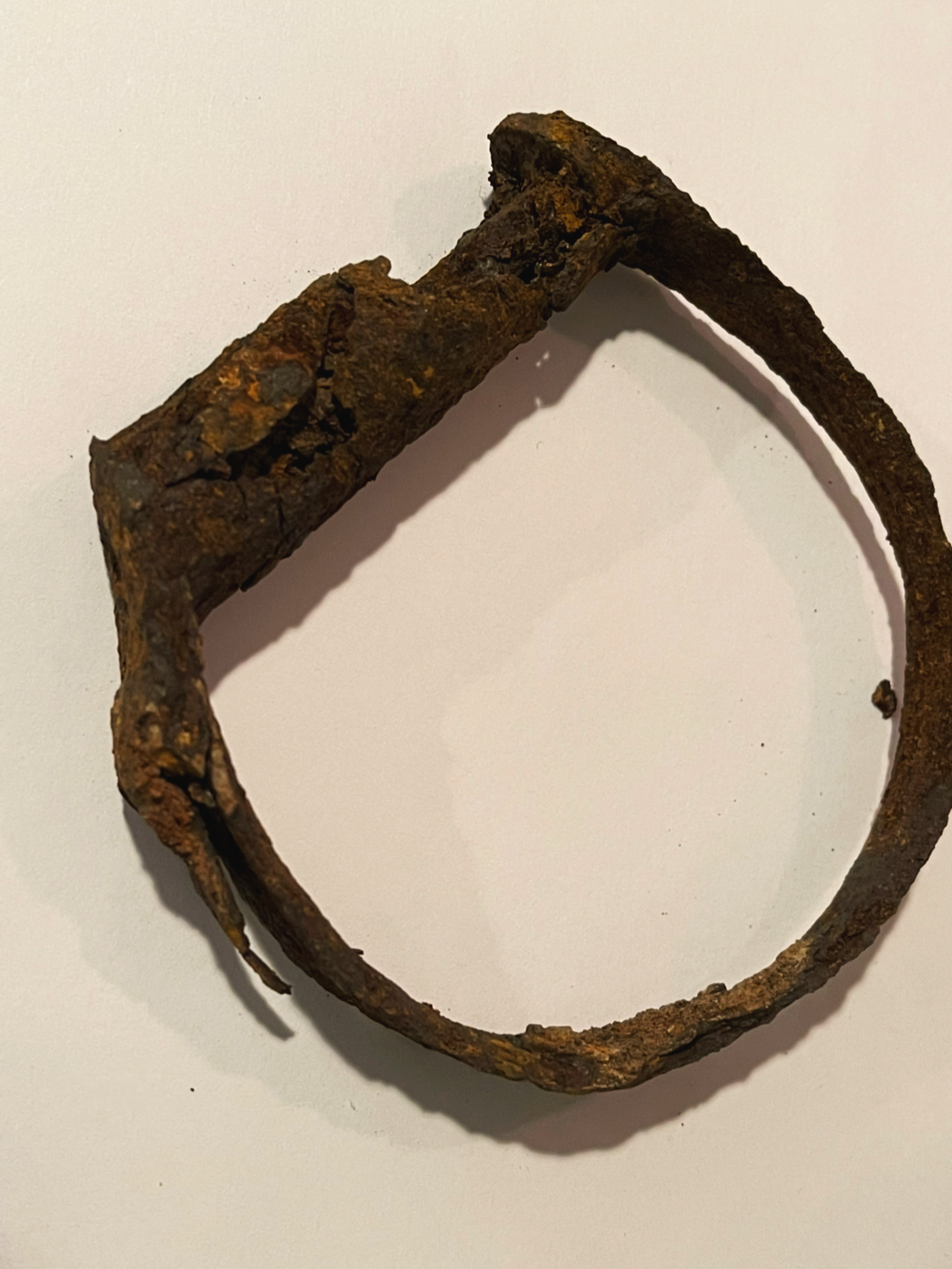
18th-Century Shackles
18th-Century Shackles
Monmouth County Historical Association, Middletown, NJ
These 18th-century shackles, excavated from the Monmouth County Historical Association’s archaeological site at Marl Pit Hall, underwent specialized metal conservation treatment. The process included electrolytic reduction to purge soluble salts that had penetrated the metal structure due to burial conditions. Following stabilization, a corrosion inhibitor was applied, and the metal was vacuum-impregnated with conservation resin to strengthen and preserve the artifact. The treatment ensured the long-term stability of this historically significant object while maintaining its archaeological integrity.