What is Freeze-Drying Used for?
Freeze-drying is a highly effective preservation and stabilization technique used across a wide range of materials, including organic, composite, and water-sensitive objects. It is commonly applied in the treatment of water-damaged books and paper, archaeological finds, artifacts affected by mold or pests, and materials impacted by floods or fire suppression.
In addition to its role in disaster recovery, our chamber is also used for rapid freezing treatments to assist with pest abatement and mold remediation as part of broader conservation efforts.
Cultural Preservation & Restoration (CPR) provides freeze-drying services to museums, historical societies, libraries, conservators, cultural resource management firms, art collectors, and government agencies.
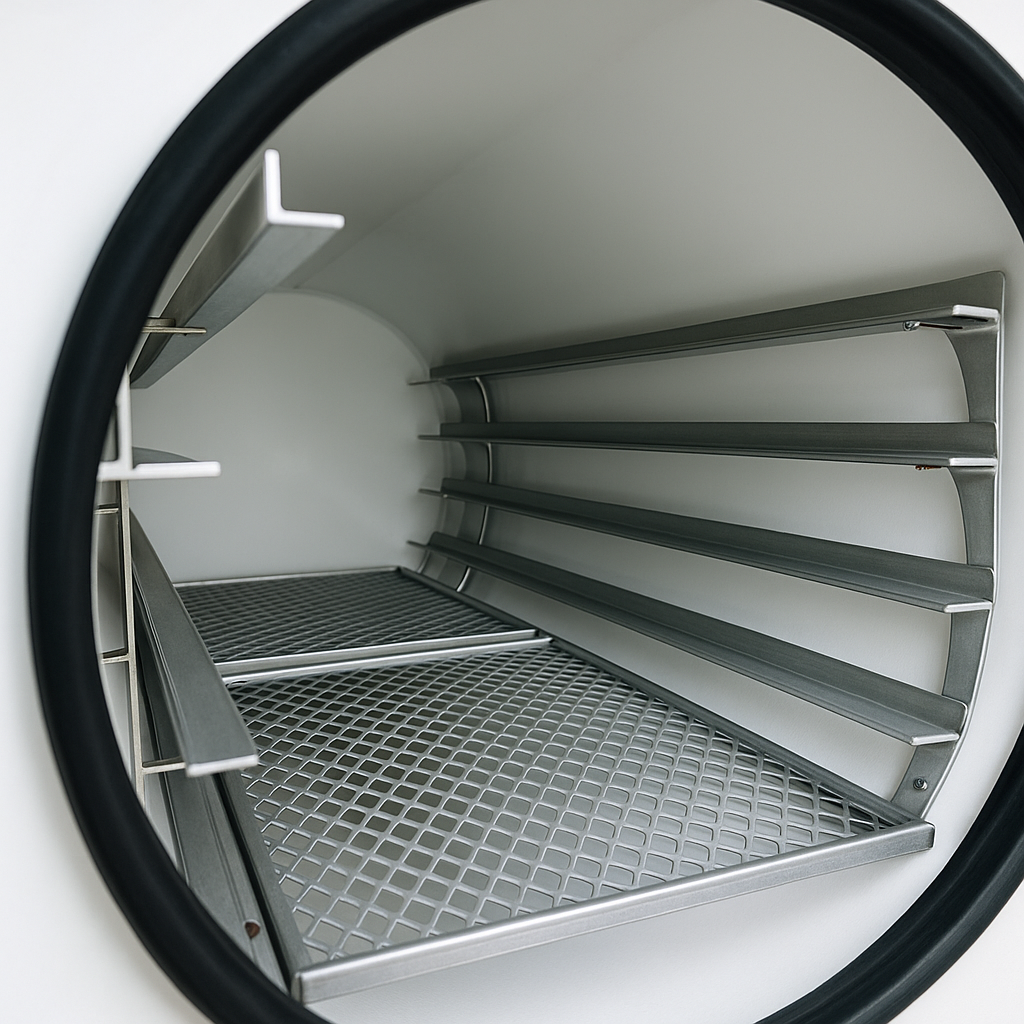
Our chamber operates using lyophilization, a cold-vacuum dehydration process that freezes objects, lowers the surrounding pressure, and removes moisture through sublimation. This method avoids heat-related distortion and is ideal for delicate or historically significant items.
Service Rates
Effective July 2025
Standard Projects
DAILY RATE
$215
Specialty Projects
DAILY RATE
WEEKLY RATE
$1,400
WEEKLY RATE
Case-by-case
MONTHLY RATE
$5,200
MONTHLY RATE
Case-by-case
Fees vary based on object condition, type, and treatment duration. A detailed proposal is provided after consultation.
All freeze-drying projects are conducted in a dedicated chamber to prevent cross-contamination and ensure proper treatment. Some clients use CPR solely for freeze-drying services, while others may require additional conservation support before or after treatment. We’re happy to coordinate based on your needs.
Additional Information
-
Our freeze dry chamber size is 24 inches in diameter by 52 inches long-33.13 cubic feet. There are five tray levels and removable 10 trays to help maximize chamber space and freeze-drying efficiency. The vertical spacing between trays is approximately 4 inches in height. The freeze-dryer runs 24 hours per day, 7 days per week.
-
Stabilization of water-logged materials
Disaster recovery of materials damaged through flood, fire, suppression systems, etc.•Drying of wet or water-damaged books, manuscripts, paper
Stabilization of archaeological artifacts
Pest management and insect abatement of objects such as books and textiles with insect infestations
Mold, mildews, and fungus prevention through extracting molecular water; leaving the object a poor host for infestation.
-
Fees for freeze-drying vary according to multiple factors, including overall condition of the object(s), degree of saturation or infestation, and number of days required to stabilize the object(s). Some clients have access to an in-house conservator and will only require freeze-drying services for their submitted objects. Other clients may find that some of the objects require pre and/or post-freeze-drying conservation treatment. These clients will need to make arrangements with our conservator for these services.
An object(s) specific cost proposal is generated upon consultation with the client. At that time a determination of the object'(s) condition, freeze-drying requirements, and the necessity for any conservation protocols will be made.